Mastering Ductwork Fabrication for Optimal Airflow in HVAC Systems
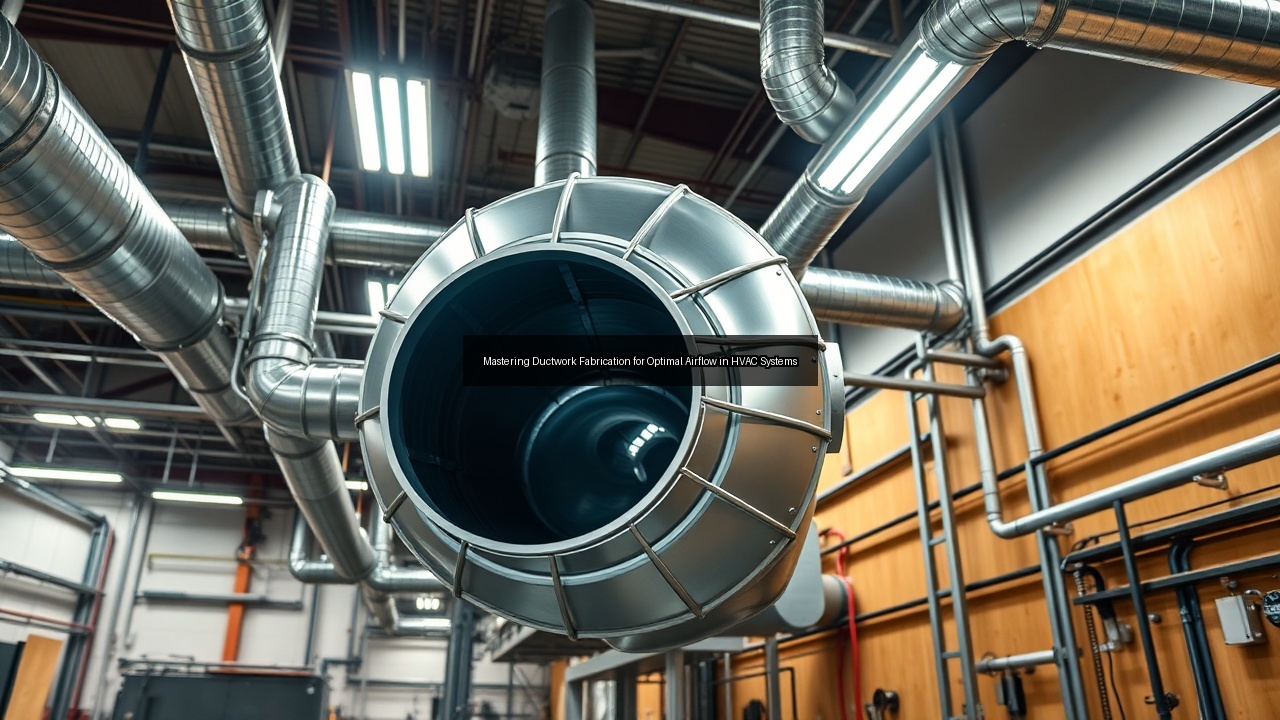
Understanding Ductwork and Its Importance in HVAC Systems
The Role of Ducts in Airflow Management
Ducts serve as the arteries of HVAC systems, channeling heated or cooled air throughout a building. Proper airflow management hinges on the design and execution of ductwork. A well-designed duct system enhances comfort levels within indoor spaces while promoting energy efficiency. When air ducts are properly installed and maintained, they ensure that air reaches every corner of a room, eliminating hot spots and cold drafts. Conversely, poorly designed ducts can lead to significant energy losses, reducing system efficiency and increasing utility bills. Thus, understanding the role of ducts in airflow management cannot be overstated; they directly impact heating and cooling effectiveness.
Types of Duct Systems in HVAC
HVAC systems employ several types of duct systems, each tailored to specific applications and building configurations. The most common types include rigid ductwork, flexible ducting, and semi-rigid ducts. Rigid ducts, typically made from sheet metal, offer durability and optimal air flow. Flexible ducts provide versatility, easily bending around obstacles, making them suitable for tight spaces. Semi-rigid ducts combine features from both types, offering some flexibility while maintaining a sturdy structure. Each type has its advantages and drawbacks, and selecting the appropriate duct system is crucial for achieving desired airflow and energy efficiency in any HVAC setup.
Benefits of Proper Ductwork Fabrication
Investing in proper ductwork fabrication yields numerous benefits for HVAC systems. First, carefully fabricated ducts ensure optimal airflow, which enhances the overall performance of heating and cooling systems. This efficiency translates to lower energy bills and improved indoor air quality. Additionally, well-constructed ducts minimize air leaks, which can otherwise compromise system performance. Proper fabrication also extends the lifespan of HVAC components by reducing strain on the system. Finally, customized duct solutions allow for tailored airflow management, accommodating unique building layouts and client needs. These advantages emphasize the importance of meticulous ductwork fabrication in HVAC installations.
The Ductwork Fabrication Process
Materials Used in Duct Manufacturing
The choice of materials for duct manufacturing significantly influences the performance and durability of HVAC ducts. Common materials include galvanized steel, aluminum, and fiberglass. Galvanized steel remains a popular choice due to its strength and resistance to corrosion. Aluminum is lightweight and resistant to rust, making it ideal for applications where weight reduction is essential. Fiberglass ducts, often used in insulated systems, provide sound attenuation and energy efficiency. Each material offers unique properties that affect airflow and thermal performance, so selecting the right material is a critical step in the ductwork fabrication process.
Key Steps in the Fabrication Process
The ductwork fabrication process involves several key steps to ensure precision and quality. First, designers create detailed specifications based on system requirements, often using duct calculators to determine optimal duct size and layout. Once designs are finalized, technicians cut the chosen materials to the specified dimensions. This step often requires precise measurements to ensure a perfect fit during installation. Next, the ducts undergo fabrication, where they are shaped, welded, or sealed as needed. Quality control checks throughout the process ensure that the fabricated ducts meet industry standards. Finally, the completed ductwork is prepared for installation, ready to deliver optimal airflow in the HVAC system.
Tools and Equipment for Duct Fabrication
Fabricating quality ductwork necessitates a range of specialized tools and equipment. Essential tools include metal shears for cutting sheet metal, duct crimpers for shaping duct ends, and seamers for securely joining sections. Additional equipment like plasma cutters can enhance precision in cutting metal. Fabrication shops may also utilize duct forming machines that automate the shaping process, increasing efficiency and consistency. Beyond tools, workers often rely on software programs for design and sizing calculations. This combination of skilled labor and advanced technology enables the production of high-quality ductwork that meets exact specifications and performance requirements.
Optimizing Airflow Through Effective Duct Design
Calculating Duct Length and Sizing
Proper duct length and sizing play a crucial role in optimizing airflow in HVAC systems. Under-sized ducts restrict air flow, leading to increased pressure and energy costs. Over-sized ducts can result in inefficient airflow, causing uneven temperature distribution. To calculate the ideal duct size, HVAC professionals utilize duct calculators that consider factors such as the total air volume, friction loss, and the specific characteristics of the building. Accurate calculations ensure that the air ducts deliver the right amount of air to each space, enhancing comfort and efficiency. This meticulous attention to duct length and sizing is a cornerstone of effective HVAC design.
Common Duct Design Mistakes to Avoid
Several common duct design mistakes can significantly hinder airflow and system efficiency. One prevalent issue is neglecting to account for the overall layout of the HVAC system. Long, winding ducts can impede airflow, while sharp bends and turns create turbulence and pressure loss. Insufficient insulation can lead to energy loss, particularly in unconditioned spaces. Additionally, failing to properly seal duct joints can result in air leaks, reducing system efficiency. Recognizing these pitfalls and implementing best practices in duct design is vital for maintaining optimal airflow and ensuring HVAC systems operate at peak performance.
Strategies for Improving Airflow in HVAC Systems
Improving airflow in HVAC systems involves a combination of design, maintenance, and technology. Regular maintenance, such as cleaning and inspecting air ducts, prevents debris buildup that can obstruct airflow. Incorporating dampers allows for better control of airflow distribution throughout the system. Upgrading to higher efficiency filters helps maintain cleanliness and airflow quality. Moreover, implementing zoning systems can tailor the temperature in different areas, ensuring balanced airflow. Finally, leveraging smart technology for monitoring and adjusting airflow also contributes to overall system efficiency. These strategies collectively enhance HVAC performance, leading to improved indoor comfort and reduced energy consumption.
Choosing the Right Ductwork Fabrication Services
Evaluating Duct Fabrication Services
Selecting the right ductwork fabrication services involves careful evaluation of several factors. First, consider the experience and reputation of the fabrication company. A provider with a proven track record in ductwork fabrication is likely to deliver higher quality products. Additionally, examine their portfolio of previous projects to assess their capabilities and expertise. Communication is another critical factor; a responsive team that understands specific needs ensures a smoother fabrication process. Finally, reviews and testimonials from past clients can provide insight into service quality and reliability. Evaluating these aspects helps in choosing a duct fabrication service that aligns with project requirements.
Cost Factors in Ductwork Manufacturing
Cost considerations play a crucial role in ductwork manufacturing decisions. Several factors influence overall costs, including material choice, complexity of the design, and labor intensity. For instance, using high-quality materials may increase upfront costs but can lead to long-term savings through enhanced efficiency and durability. Custom duct solutions often incur higher costs due to the additional design and fabrication efforts involved. Additionally, geographic location can affect labor costs, impacting the total price of ductwork fabrication. Understanding these cost factors assists businesses in budgeting effectively while ensuring they receive quality ductwork that meets their needs.
Importance of Custom Duct Solutions
Custom duct solutions offer significant advantages in achieving optimal airflow and system efficiency. Off-the-shelf duct systems may not accommodate unique building layouts or specific HVAC needs, leading to inefficient airflow and increased energy costs. Custom fabrication allows for precise sizing and design adjustments that cater to individual requirements. This tailored approach ensures that air ducts effectively distribute conditioned air throughout the space. Furthermore, custom ducts can address challenges like space constraints or specific aesthetic considerations, enhancing both functionality and appearance. The investment in custom duct solutions ultimately pays off through improved system performance and energy savings.