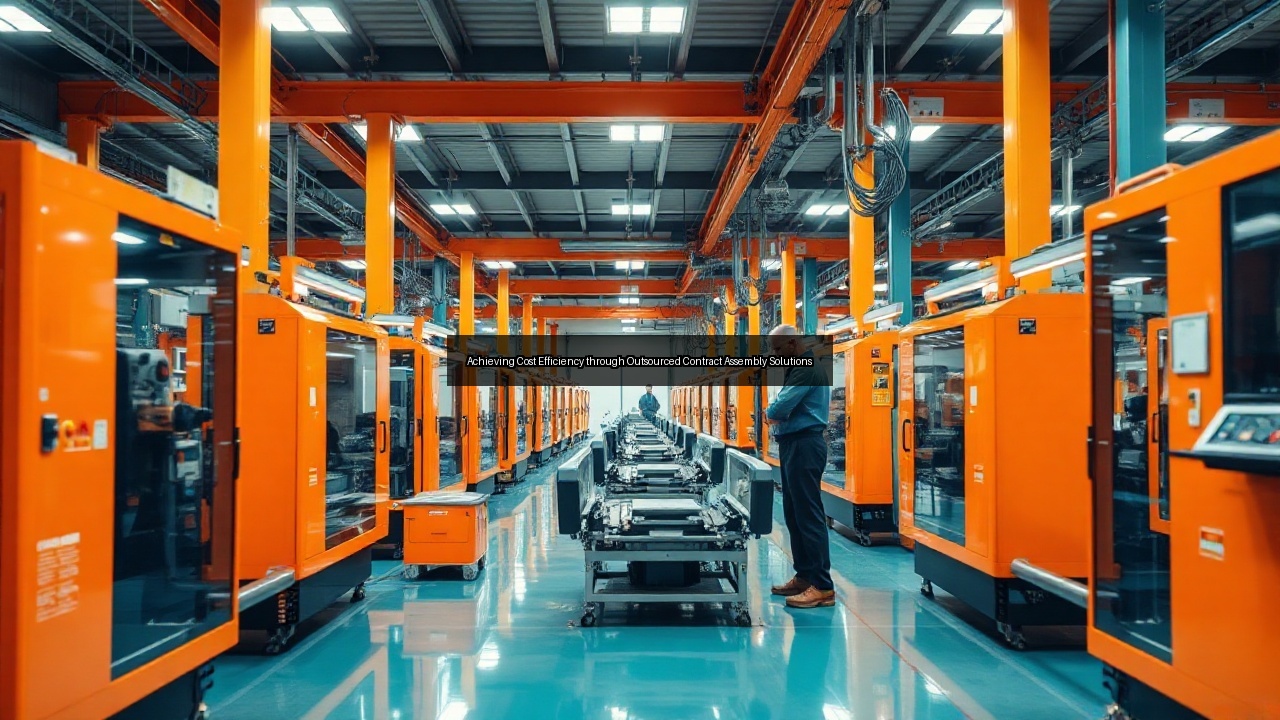
Achieving Cost Efficiency through Outsourced Contract Assembly Solutions
Understanding Contract Assembly Services
What Are Contract Assembly Services?
Contract assembly services involve outsourcing manufacturing processes to third-party experts who specialize in assembling components into finished products. Companies often leverage these services to enhance their production capabilities without investing heavily in in-house resources. By partnering with a contract assembly manufacturer, businesses can access a range of assembly solutions, including prototyping, fabrication, and specialized engineering designs. These services allow companies to focus on their core competencies while experts handle the complexities of assembly. Contract assembly providers often have the necessary infrastructure, technology, and workforce to deliver quality results efficiently and cost-effectively, ensuring that companies can scale their production as needed.
Benefits of Using Contract Assembly Solutions
Outsourcing contract assembly solutions offers numerous advantages for companies looking to streamline their operations. First, it significantly reduces operational costs. Businesses can avoid the expenses associated with maintaining an in-house assembly line, such as labor costs, equipment maintenance, and facility overhead. Second, contract assembly services often provide access to advanced technology and expertise that might be cost-prohibitive for smaller companies. This access enhances quality control and efficiency. Furthermore, partnering with a contract manufacturer allows companies to benefit from improved scalability and flexibility. As market demands fluctuate, businesses can quickly adjust their production volumes without the burden of excess inventory or idle resources. Overall, using contract assembly services can lead to substantial cost savings and operational efficiencies.
Key Players in the Contract Assembly Industry
The contract assembly industry features a diverse range of players, including specialized manufacturers, engineering firms, and logistics providers. Contract assembly companies typically focus on specific sectors or product lines, tailoring their services to meet unique client needs. Some companies excel in high-volume production, while others might specialize in low-volume, high-complexity assembly. Additionally, many contract manufacturers invest in certifications like ISO 9001, which demonstrates their commitment to quality control and continuous improvement. This commitment to excellence attracts businesses seeking reliable partners to ensure high-quality outputs. Understanding the landscape of key players helps companies choose the right contract assembly provider that aligns with their operational goals and product specifications.
The Cost Benefits of Outsourcing Contract Assembly
Reducing In-House Costs: A Comparison
Investing in in-house assembly often leads to substantial fixed costs, including labor, equipment, and facility management. By comparing these costs with outsourcing options, companies can identify significant savings. For instance, maintaining an in-house assembly line requires hiring skilled labor, providing training, and ensuring compliance with safety regulations—all of which contribute to overall expenses. In contrast, outsourcing to a contract assembly service allows companies to pay only for the services rendered, minimizing financial risks. This model provides flexibility in scaling operations without the burdens of long-term commitments. The ability to convert fixed costs into variable costs through outsourcing enhances financial agility and allows companies to allocate resources to other critical areas of their business.
How Outsourcing Enhances Cost Efficiency
Outsourcing assembly processes not only reduces overhead but also enhances overall cost efficiency. Contract assembly providers leverage economies of scale, enabling them to produce goods at a lower unit cost than most in-house operations could achieve. Their expertise in optimizing assembly lines and implementing lean manufacturing principles results in quicker turnaround times and reduced waste. Additionally, these providers often have established relationships with suppliers, which can lead to better pricing on materials and components. This collective expertise and resourcefulness translate into substantial cost savings for companies that choose to outsource. Ultimately, outsourcing becomes a strategic decision that allows businesses to focus on innovation and growth while ensuring quality and efficiency in production.
Factors Influencing Cost Savings
Several factors influence the level of cost savings when outsourcing contract assembly services. Firstly, the complexity and volume of the assembly project play a crucial role. High-volume projects benefit from economies of scale, significantly lowering the cost per unit. Secondly, the geographic location of the contract manufacturer can impact shipping costs and delivery times. Companies often seek manufacturers in regions that offer logistical advantages, reducing overall expenses. Thirdly, the level of technology and expertise available at the contract assembly provider can affect efficiency and quality. Providers that employ advanced automation and lean manufacturing techniques can produce better results in less time, further contributing to cost savings. Understanding these factors helps companies make informed decisions when selecting contract assembly services that align with their financial and operational objectives.
Ensuring Quality and Efficiency in Contract Assembly
The Role of ISO 9001 in Quality Control
ISO 9001 certification plays a critical role in ensuring quality control within the contract assembly industry. This international standard outlines requirements for a quality management system, focusing on continuous improvement and customer satisfaction. Contract manufacturers that achieve ISO 9001 certification demonstrate their commitment to maintaining consistent quality in their processes and products. Such manufacturers implement rigorous quality control measures, including regular audits, process evaluations, and employee training. This focus on quality ensures that companies receive reliable products that meet or exceed industry standards. By choosing a contract assembly service with ISO 9001 certification, businesses can rest assured that they are partnering with experts dedicated to delivering high-quality results, enhancing their reputation and customer satisfaction in the market.
Implementing Lean Manufacturing Principles
Lean manufacturing principles play an essential role in enhancing efficiency within contract assembly processes. These principles focus on minimizing waste while maximizing productivity, making them ideal for assembly operations. By adopting lean methodologies, contract manufacturers streamline their processes, reduce lead times, and optimize resource utilization. Implementation often includes techniques such as value stream mapping, just-in-time production, and continuous improvement initiatives. Companies that partner with contract assembly providers utilizing lean practices benefit from faster turnaround times and lower production costs. Additionally, lean manufacturing fosters a culture of collaboration and innovation, encouraging teams to identify services from contract assembly manufacturer and address inefficiencies proactively. This approach not only improves the quality of the finished product but also contributes to overall operational excellence.
Scalability and Flexibility in Manufacturing Processes
Scalability and flexibility are vital attributes of effective contract assembly services. Businesses often face fluctuating market demands and changing project requirements. A capable contract manufacturer can quickly adapt to these changes, ensuring that production aligns with current needs. Whether a company needs to ramp up production for a new product launch or scale down during off-peak seasons, a reliable contract assembly provider can accommodate these shifts without compromising quality or efficiency. This adaptability allows businesses to respond swiftly to market changes, avoiding the pitfalls of overproduction or stockouts. Moreover, the ability to scale operations quickly helps companies maintain a competitive provide contract assembly services edge in a fast-paced industry, making outsourcing an attractive option for businesses focused on growth and innovation.
Navigating the Onboarding Process with Contract Manufacturers
Steps to Successful Onboarding
Successful onboarding with a contract assembly manufacturer requires a clear and structured approach. The first step involves defining project specifications, including product designs, materials, and quality standards. This clarity ensures that both parties align on expectations from the outset. Next, companies should establish communication protocols to facilitate collaboration throughout the project. Regular meetings and updates help maintain transparency and address any potential issues promptly. Additionally, a thorough assessment of the contract manufacturer’s capabilities, including their experience, technology, and quality control measures, is crucial for a successful partnership. Finally, developing a comprehensive onboarding plan that includes timelines, milestones, and performance metrics ensures a smooth transition into production, setting the stage for a successful collaboration.
Collaboration Between Companies and Contract Manufacturers
Collaboration between companies and contract manufacturers serves as the cornerstone for successful partnerships. Effective communication fosters a deeper understanding of project requirements and expectations. Regular updates and feedback loops help both parties stay aligned and address any challenges as they arise. Companies should cultivate a collaborative atmosphere that encourages innovation and problem-solving. By working closely with contract assembly experts, businesses can leverage their knowledge and experience to improve product designs and streamline assembly processes. This collaborative spirit not only enhances the quality of the finished product but also builds a strong working relationship that can lead to long-term success. Ultimately, a partnership rooted in collaboration enables companies to navigate the complexities of contract manufacturing with confidence.
Logistics and Packaging Considerations
Logistics and packaging play critical roles in the success of contract assembly operations. Efficient logistics management ensures that materials arrive on time, minimizing disruptions in the assembly process. Companies must work closely with their contract manufacturers to develop effective supply chain strategies that optimize transport routes and inventory management. Additionally, packaging considerations are essential for protecting products during transit and storage. A well-thought-out packaging solution not only safeguards the product but also enhances its marketability. Companies should collaborate with contract assembly providers to design packaging that aligns with their branding and product specifications. By addressing logistics and packaging proactively, businesses can reduce costs, improve delivery times, and enhance customer satisfaction.
See Also
- The Hidden Costs of In-House Assembly vs Outsourcing to Contract Manufacturers
- The Role of ISO 9001 Certification in Quality Control for Contract Assembly
- Streamlining Logistics with Contract Assembly Services for Modern Businesses
- Quality Assurance in Contract Assembly The Backbone of Successful Manufacturing
- Unlocking Efficiency with Contract Assembly Services to Boost Your Manufacturing Process